Glaucoma & Intraocular Pressure

Selective Laser Trabeculoplasty (SLT)

A highly effective, safe, and fast technique to reduce intraocular pressure without the need for hospitalization.

  • Reduces pressure by 25-30%
  • Single 15 to 20 minute session
  • Alternative to eye drops
Make an Appointment
Selective Laser Trabeculoplasty (SLT)

Top Specialists

At Oftalmolaser Santiago
Oftalmolaser Logo

What exactly is SLT?

Selective Laser Trabeculoplasty (SLT) is a cutting-edge treatment for patients with ocular hypertension or open-angle glaucoma. In responding patients, it achieves an effect comparable to the most potent hypotensive eye drop, reducing pressure by 25-30% in a single session.

We perform this treatment in our modern facilities in Santiago, Dominican Republic, ensuring the highest standards of visual quality and safety. It is a less invasive and safer option compared to other trabeculoplasties.

Frequently Asked Questions

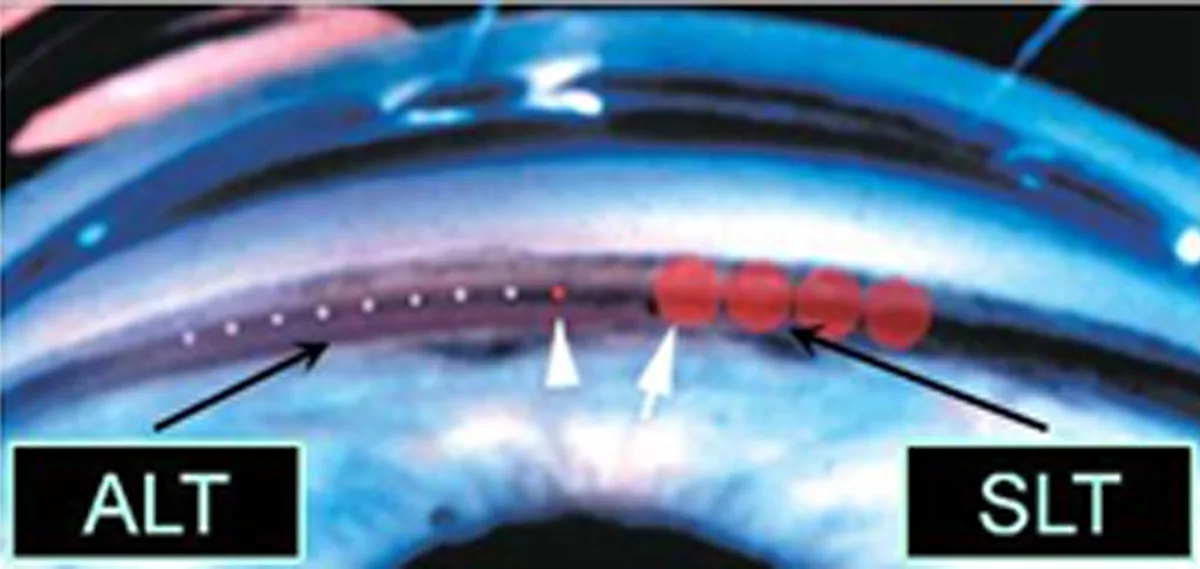
SLT works through a Q-switched Nd:YAG laser. The 532-micron wavelength and brief pulse duration (3 nanoseconds) produce localized heating of pigmented cells in the trabecular meshwork—an effect called selective thermolysis—which does not cause irreversible tissue damage.

The trabecular meshwork is located in the angle between the iris and cornea and serves as the aqueous humor outflow filtration system. The inflammatory response triggered by the laser stimulates and remodels the tissue, increasing aqueous humor drainage and consequently reducing intraocular pressure.

How does Selective Laser Trabeculoplasty work?

It is defined as selective because it targets specific cells—the pigmented cells of the trabecular meshwork responsible for regulating intraocular pressure—without damaging surrounding tissues.

Selective Laser Trabeculoplasty produces intermittent, controlled heating of pigmented trabecular cells. Thanks to this novel mechanism, it maintains equal effectiveness in reducing intraocular pressure while being far less invasive and safer than older trabeculoplasties that cause irreversible tissue alterations.

Which glaucoma patients can benefit? Candidates include patients with ocular hypertension or open-angle glaucoma who need improved intraocular pressure (IOP) control. This includes patients with pseudoexfoliative, pigmentary, and steroid-induced glaucoma. SLT also serves as an alternative to hypotensive eye drops as primary therapy or replacement in multi-medication patients.

It especially benefits patients who:

  1. Do not tolerate glaucoma eye drops.
  2. Have high sensitivity to side effects from glaucoma drops.
  3. Wish to avoid daily eye drop regimens due to memory, dexterity, or convenience.
What advantages does it offer over other lasers?

SLT cannot be performed if:

  • Target anatomical structures are not clearly visible.
  • A narrow angle or corneal opacities obstruct visualization of the trabecular meshwork.
  • There is a history of ocular trauma or active intraocular inflammation (post-surgical, uveitis).

In about 5% of cases, mild intraocular inflammation or a temporary IOP spike may occur in the first few postoperative days. These are typically mild, short-lived, and easily treated. Anti-inflammatory drops are prescribed as a preventive measure, and follow-up checks are scheduled for the next day and following week.

Prior to treatment, miotic, anti-inflammatory, and anesthetic drops are administered. The laser is applied through a specialized lens for 15 to 20 minutes. Patients may feel a mild sensation of warmth in the eye, but no pain is felt.

SLT does not require hospitalization or medical leave. Patients can resume normal daily activities, including driving, once the pupil dilation drops wear off.

Because the controlled thermal effect does not cause tissue scarring, SLT can be safely repeated as needed with the same efficacy, without compromising future glaucoma procedures.

Approximately 70% of patients experience significant IOP reduction. After 5 years, around 20% may need a repeat treatment.

In responding patients, intraocular pressure decreases within the first 8 weeks. In the meantime, patients continue their pre-laser prescribed regimen until evaluated.

Selective Laser Trabeculoplasty provides a more stable, round-the-clock pressure control compared to eye drops, significantly reducing the risk of disease progression. Furthermore, reducing dependency on drops preserves the ocular surface and substantially improves quality of life.

Do you need this treatment?

Schedule an appointment with our specialists and improve your visual health with SLT technology.